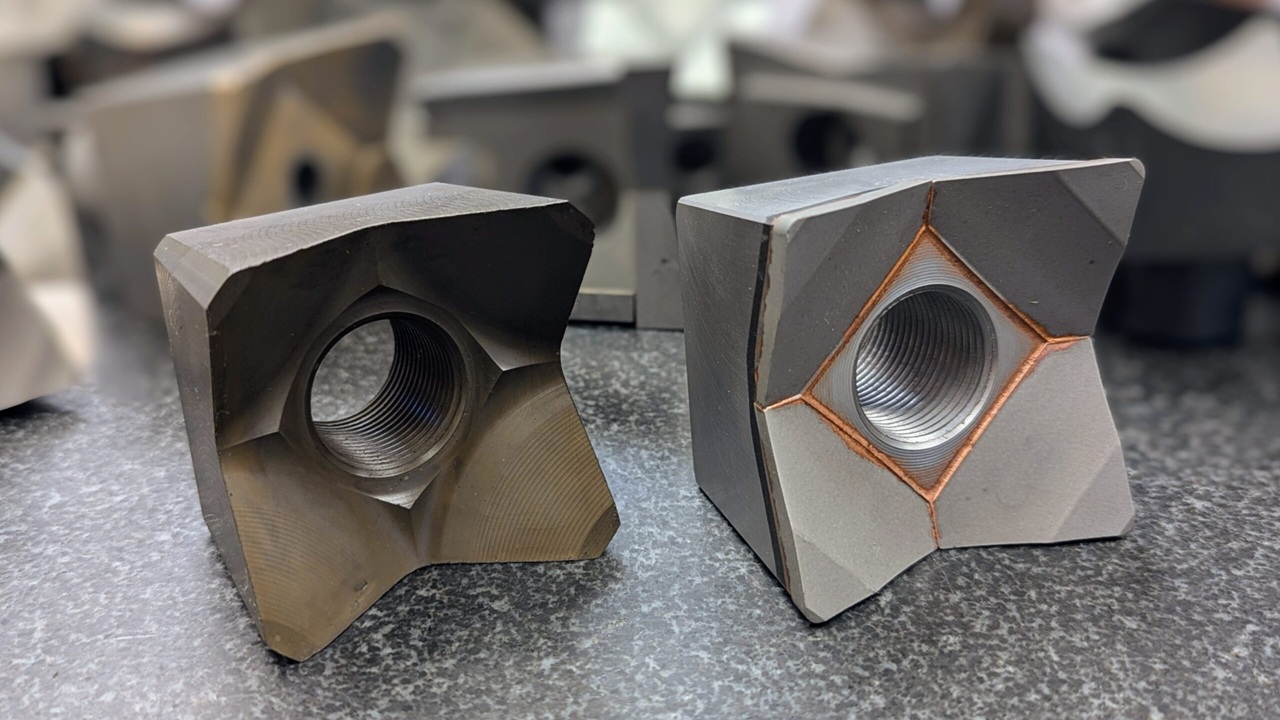
Forestry is a challenging task, and is performed in harsh conditions outside. The trunks of the trees are thick, the bark is rough, and the stones or river mud are sometimes concealed. These trees need strong machines known as feller bunchers to cut them. The saw teeth are one of the most important factors in the efficiency and life of a feller-buncher. Strong and durable saw teeth for feller buncher help the machine perform well over long periods. They minimize downtime and enable the machine to operate in intensive forestry operations.
What Feller Buncher Saw Teeth Do
Saw teeth are small but essential components of a feller-buncher’s cutting head. Their initial point of contact is the tree trunks, and they direct the cutting procedure. Each tooth has to be able to bear some pressure, friction, and impact when cutting through wood. The cutting head can be worn out, or the cutting head will not cut properly without solid teeth. This has the potential of slowing down the cutting rate and putting more stress on other machine components. Hardened saw teeth mean that the cutting head cuts under harsh circumstances.
The Challenge of Forestry Conditions
Forestry machines are used in severe surfaces that are slanted, have roots, rocks and soils that are not uniform. Sand, dirt, and small stones frequently fall on trees and may easily cause the teeth of the saw to wear. Machines must handle these conditions without slowing down or breaking. Strong teeth resist wear and maintain their shape even after many hours of work. This helps the feller buncher move efficiently through dense forest areas. Reliable teeth reduce the chance of sudden breakdowns during critical work periods.
Importance of Durability
Durability in saw teeth means they can resist wear, impact, and deformation for long periods. Durable teeth keep the cutting head working at full performance. They prevent unnecessary strain on the machine’s hydraulic arm and frame. When teeth wear slowly and evenly, the machine uses less energy for each cut. This also lowers repair costs over time. Overall, durability supports both productivity and machine longevity.
Materials That Support Strength
Saw teeth are crafted of special steel and wear-resistant alloys. These are materials that are not too brittle but hard. They enable the teeth to cut both the hardwood and the softwood. Hi-tech heat treatment and accuracy shaping also enhance the tooth strength. The small materials are built well to ensure that the saw teeth do not break or chip. Tough materials will ensure that the machine is able to withstand long working hours without replacing parts quite often.
Precision in Design
As well as hard material is needed to make durable saw teeth, they should be designed correctly. The teeth will be designed to cut effectively in the wood. The edges have been designed such that they minimize friction and distribute the pressure equally. Correct spacing of teeth ensures there is no clogging and overheating of the teeth during cuts. Moving the cutting head in a balanced manner enables it to move in a smooth manner that lessens the shock on the machine. Accurate design ensures that there is stability in performance.
Reducing Downtime
Regular replenishment of worn-out or broken teeth may disrupt forestry processes. Unavailability reduces the processing rate of trees and raises the cost of labor. Sturdy teeth take a longer time before being sharpened or replaced. This will enable the machine to operate throughout the season when there is a large number of people. The reduction of downtimes implies that more trees are cut safely and efficiently. Consistent saw teeth are used to ensure a consistent flow of work in logging.
Handling Large and Dense Trees
Some forests have very large trees with thick and tough trunks. Cutting these requires extra force and durable components. Saw teeth must maintain sharpness and stability under heavy load. Durable teeth prevent the cutting head from slowing or binding on large wood. Consistent cutting allows the feller-buncher to complete jobs quickly. Strong teeth ensure that even the hardest trees can be processed efficiently.
Long-Term Performance
Forestry machines are long-term investments. The durability of saw teeth affects the overall life of the machine. Strong teeth reduce wear on connected parts like the cutting head, arm, and frame. They help the machine run smoothly over the years of daily use. Long-lasting components reduce repair and maintenance costs. Consistent performance supports steady work even in challenging forest conditions.
Conclusion
Saw teeth are small but critical components in a feller-buncher. They face constant friction, impact, and heavy loads during tree cutting. Durable saw teeth help machines cut faster, safer, and more efficiently. They reduce stress on the machine and minimize downtime for replacements. Strong materials, precision design, and even wear distribution make teeth last longer. Reliable teeth improve overall machine performance and help forestry work continue steadily. Durable saw teeth are essential for effective and long-term heavy forestry operations.